About
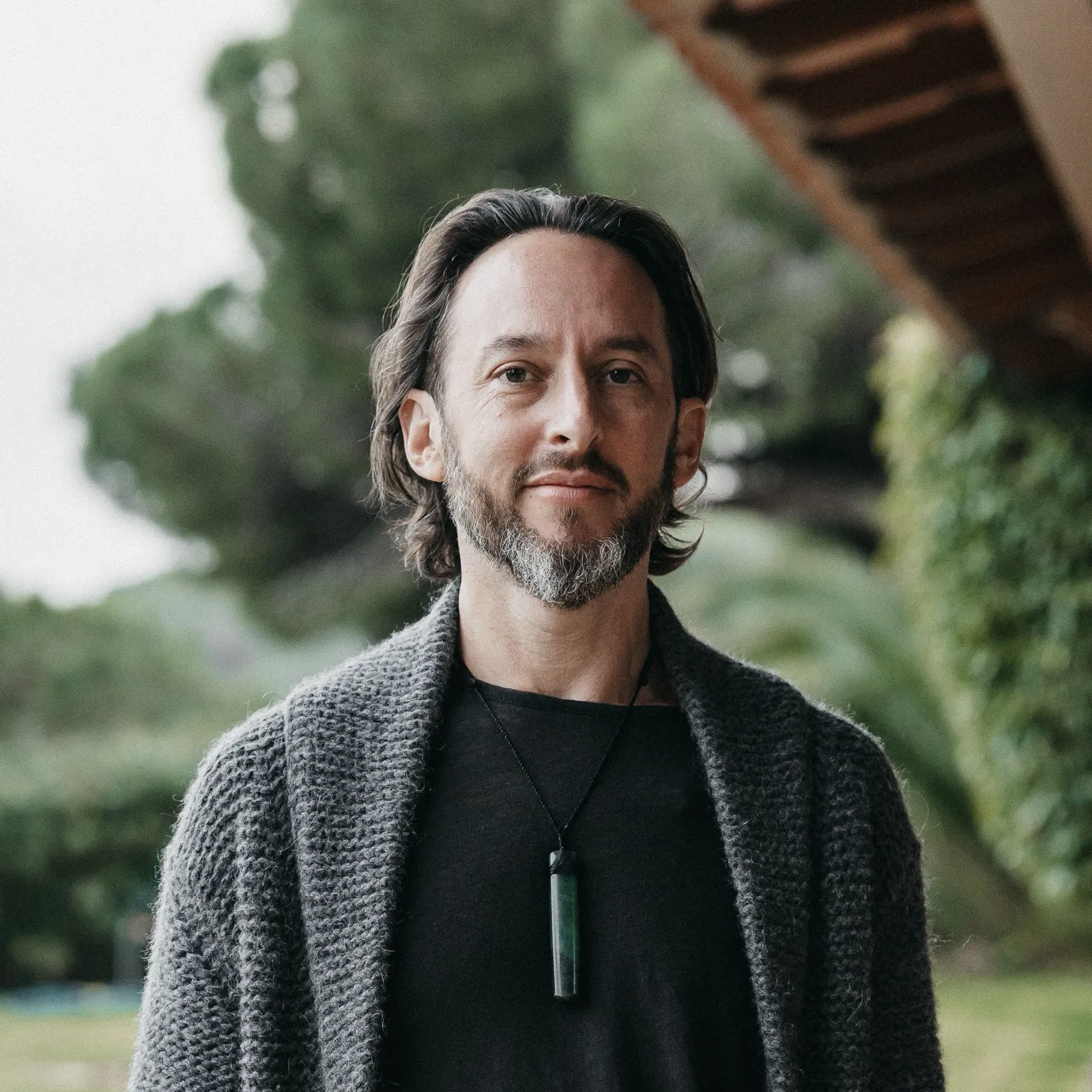
I've spent twenty years designing coordination, at three scales.
The first scale was the body. At the MIT Media Lab I built tangible interfaces: computing you could hold and touch and talk to with your hands. The idea was to get more of the human being into the medium that connects us. I published twenty-four papers, co-chaired ACM TEI, and left the PhD unfinished when the questions got bigger than the lab. MIT is also where I first saw the problem that still runs my life. The most brilliant people I'd ever met, experts in things maybe three humans understood, would graduate and quietly put that work away. There was no price for it out there. Every human being has a gift to offer. Our economics can barely see most of them. It took me fifteen years to understand that this was my problem to work on.
Then the room. In Cambridge, Marcelo Coelho and I ran Zigelbaum + Coelho, and I co-founded Industry Lab, a coworking space for the kind of post-corporate, antidisciplinary collaboration we'd tasted as students. Later I moved to Brooklyn, founded Midnight Commercial, and ran it as creative director for six years while making my own work as Jamie Zigelbaum Studio. Gallery on one side, industry on the other, and the same question under both: what is communication, in the medium itself? The work ended up in collections around the world. Pixel — a single pixel, one meter wide, alive to touch — sold at Phillips' first digital art auction, to the founder of Tumblr. Triangular Series was Design Miami/ Basel's 2014 commission. Six-Forty by Four-Eighty is in the Rothschild Collection at Waddesdon Manor, the MIT Museum, and the Frankel Foundation for Art. Resolution is permanently installed at the Tech Museum in San Jose. Design Miami named me Designer of the Future in 2010. Clients, along the way: Cartier, Chanel, Google, Samsung, Target, Cadillac, and The New York Times.
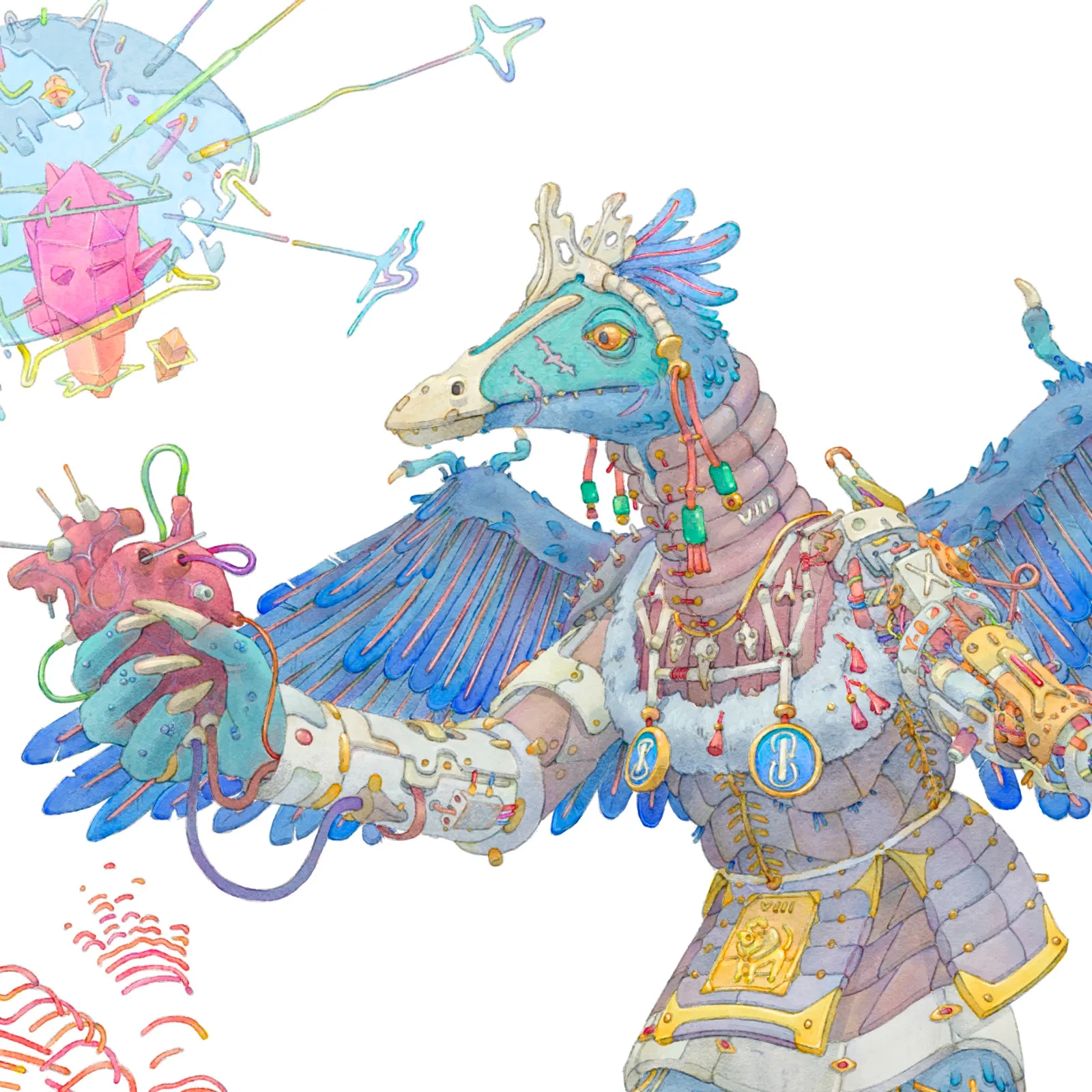
In 2020 the scale became the civilization. I found Yearn Finance during DeFi Summer: millions of dollars moving through a protocol with no CEO, no corporation, nobody in charge. Nobody hired me either. I just decided I worked there, which was exactly the point. As tracheopteryx I co-authored Yearn's Governance 2.0, the constrained-delegation model. Specific powers get carved out to accountable teams, and token holders keep the last word. The hardest problem in that world turned out to be compensation. How does a leaderless organization decide what each person's work is worth? Coordinape, which I co-founded in 2021, was our answer: let teams decide together. In 2024 the Eigen Foundation brought me in as Chief Governance Officer to design EigenGov, governance for a multi-billion-dollar protocol built on small councils of high-context experts, with token holders holding endorsement and veto power. Since then I've consulted on governance for Aztec, Ethereum's privacy layer, and designed a new governance system for ISTA, a global mystery school. Coordination design doesn't stop at blockchains.
Looking back, it was never three careers. At MIT I was trying to get more of the human into the medium. In the studios I was asking what the medium does to the humans. In crypto the two questions finally fused: how do we connect people across real distances — space, time, developmental level — and get actual collective intelligence out of it? How do we decide together? Whatever answers that won't look like a company. It will be as different from today's corporations as Apple is from the Dutch East India Company. And the prize isn't efficiency. The prize is an economy that can finally see, price, and reward the full range of human gifts, so that more of us get to make a living being exactly who we are.
I worked pseudonymously from 2020 to 2026. That's over now. Jamie Zigelbaum and tracheopteryx are the same person, and this page is where they meet.
I find patterns and design systems, and I build with senior operators who ship. Right now I'm building something new. If you're working on how humans coordinate, write to me: info@jamiezigelbaum.com.